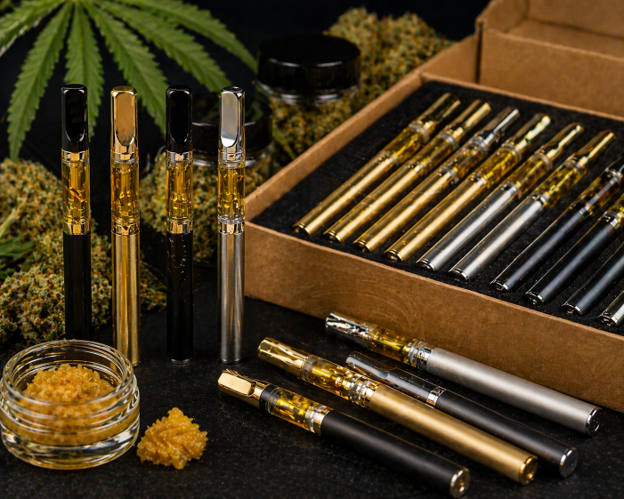
Live Resin Pen Wholesale Supplier Tips for Reliable Bulk Orders
August 12, 2026
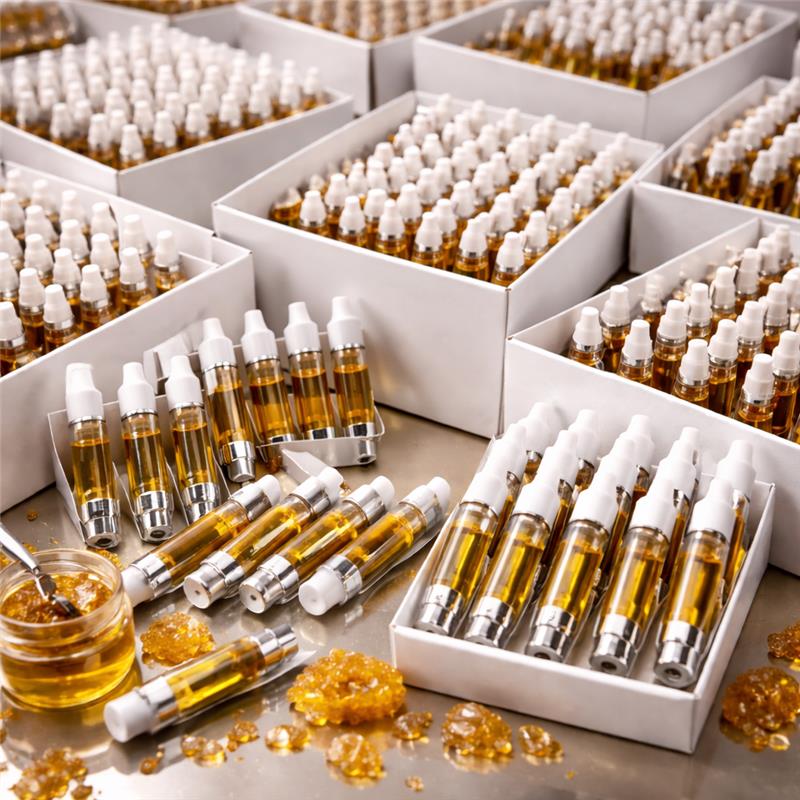
The cannabis market in the United States has changed in a steady and serious way over the last decade. What once existed in informal settings has moved into licensed buildings, regulated systems, and controlled manufacturing spaces. Vape manufacturing sits right in the center of this shift.
Many vape manufacturers in the USA now support regulated cannabis because it creates order, safety, and long-term stability. Regulation does not slow progress. It shapes it. Companies working inside the system understand that clear rules protect consumers, workers, and the plant itself. This support comes from experience, not trend or pressure.
Vape products are different from raw flower. They involve extraction, processing, blending, and precise filling. Each step carries risk if done without rules. Regulated cannabis creates a clear structure for how vape products are made, tested, and sold.
For vape manufacturers, regulation sets clear lines on what is allowed and what is not. This helps manufacturers plan operations, invest in equipment, and train teams. It also reduces confusion across supply chains.
Vape manufacturing includes steps that demand strict safety control. This is especially true when volatile solvents are used. Fires, leaks, and contamination are real risks if systems are not designed well.
In regulated cannabis manufacturing, safety is not optional. Facilities must meet fire codes. Equipment must be certified. Staff must follow written procedures.
These rules protect:
For manufacturers, supporting regulation is a practical choice. It lowers long-term risk and sets a standard that serious operators can meet.
Type 7 manufacturing is a license category in California that allows volatile solvent extraction. This includes the use of substances like butane, propane, and ethanol. These solvents evaporate fast and can be dangerous if handled without control.
Type 7 is known as the highest risk cannabis manufacturing license because of the safety demands placed on facilities. Only manufacturers willing to invest in engineering, training, and compliance operate under this license.
A Type 7 licensed manufacturer can perform several advanced processes:
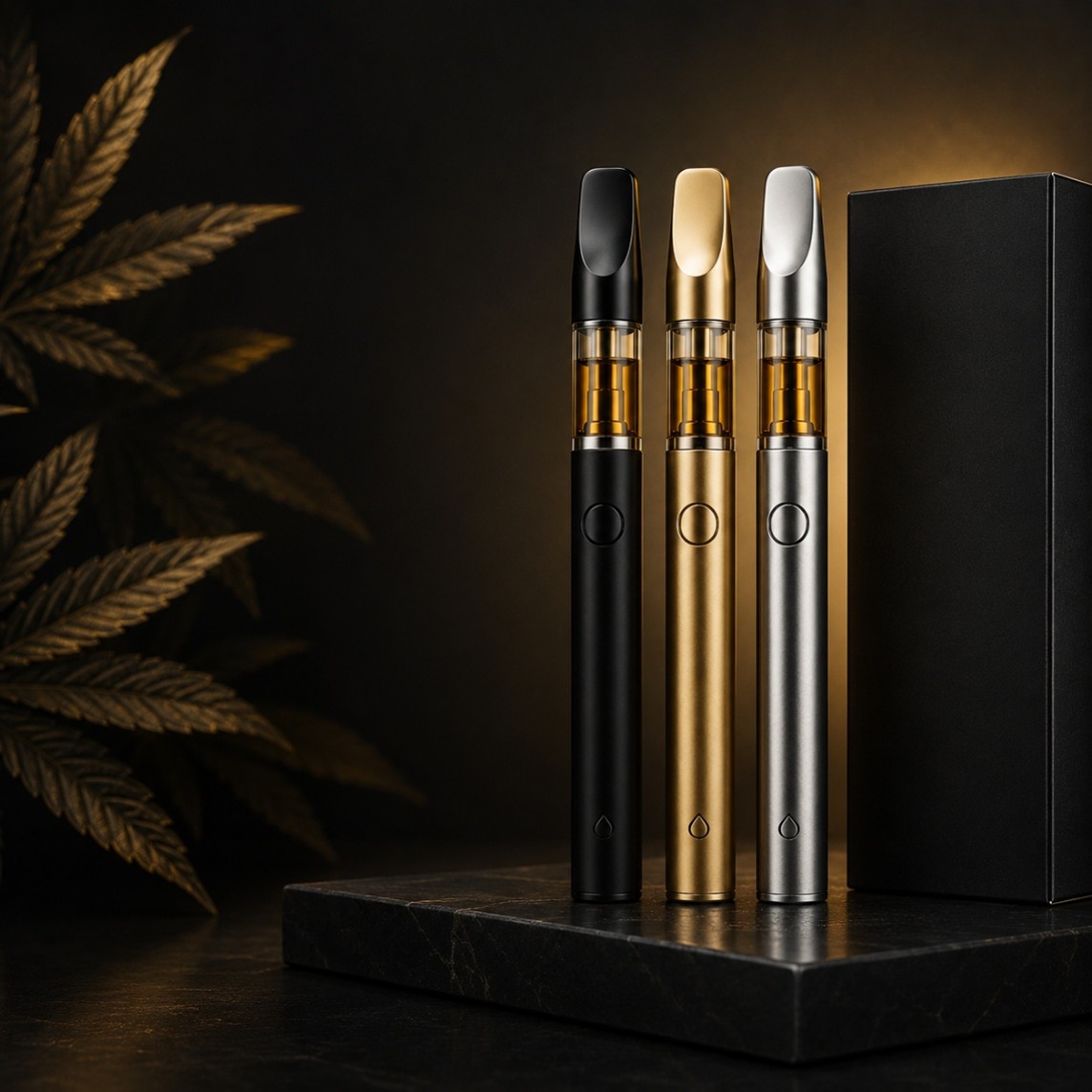
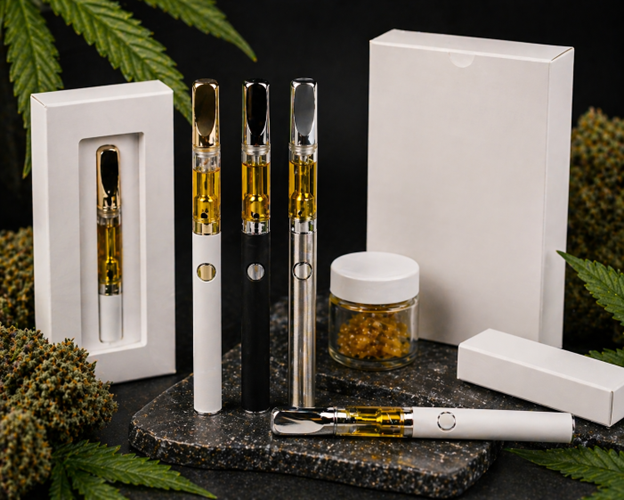
This license supports the production of live resin carts, distillate carts, and other refined products that require controlled extraction.
Regulated cannabis manufacturing includes strict oversight. Type 7 facilities must meet standards across several areas.
These requirements are demanding, but they bring clarity. Vape manufacturers in USA often support these rules because they raise the bar across the industry.
Small batch manufacturing is common among licensed producers who focus on quality. It allows close attention to each run and a faster response to issues.
In regulated settings, small batch production helps with:
Products like live resin carts benefit from small batch methods. Fresh frozen input material is handled with care. Terpenes remain intact. Flavor stays closer to the original plant.
The same approach applies to rosin carts. These solventless products rely on heat and pressure, not chemicals. Regulation still applies, even without solvents. Testing, labeling, and tracking remain required.
Badder is a concentrate known for its soft, whipped texture. It is usually made through hydrocarbon extraction and careful post-processing.
In regulated facilities, badder production includes:
This ensures the final product meets safety limits set by the state. Without regulation, badder can vary widely in quality. With regulation, consumers get a more predictable experience.
Manufacturers who focus on concentrates often support regulation because it protects the craft. It separates careful production from careless shortcuts.
A regulated manufacturing facility follows a clear production flow. Each step is documented and tracked.
All batches are entered into the state tracking system. Products must pass testing before they reach retailers.
This structure helps manufacturers plan inventory and manage risk. It also builds trust with retail partners.
Consumers today ask questions. They want to know what is inside their vape. They read labels. They care about testing results.
Regulated cannabis gives consumers access to information such as:
Vape manufacturers benefit from this transparency. It reduces doubt and builds long-term loyalty.
Many vape manufacturers in the USA support regulated cannabis because trust is hard to earn and easy to lose. Regulation helps protect that trust.
The difference between regulated and unregulated manufacturing is not small. It affects every part of the process.
| Area | Regulated Manufacturing | Unregulated Manufacturing |
| Safety | Fire code and equipment standards | Little to no oversight |
| Testing | State required lab testing | Often skipped or incomplete |
| Tracking | Full batch tracking system | No formal records |
| Consumer Trust | High due to transparency | Low due to unknown risks |
This contrast explains why serious operators support regulation. It creates a fair field where quality matters.
Support for regulated cannabis is not about image or trend. It comes from daily work on the production floor. Vape manufacturers in the USAsee how structure protects people, products, and businesses. Regulation brings order to complex processes like extraction, filling, and testing.
It allows products such as rosin carts, live resin carts, and badder to be made with care and consistency. For manufacturers who value safety and clarity, regulated cannabis is not a burden. It is the foundation that keeps the industry moving forward with purpose and control.