What to Know About Bulk Live Resin Vape Cartridge Production
November 13, 2026
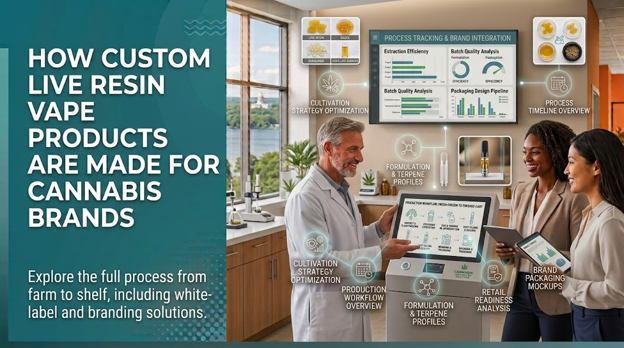
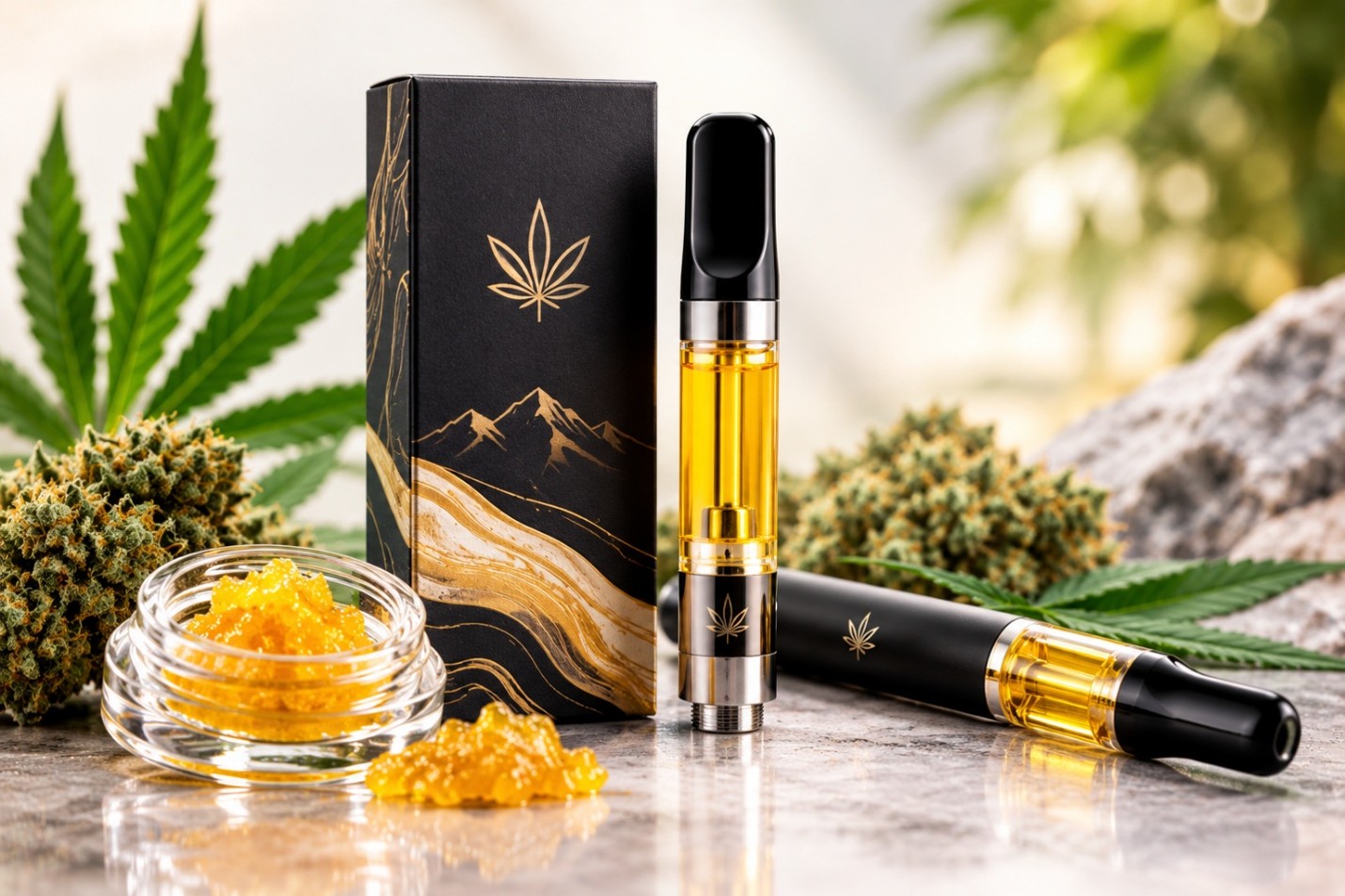
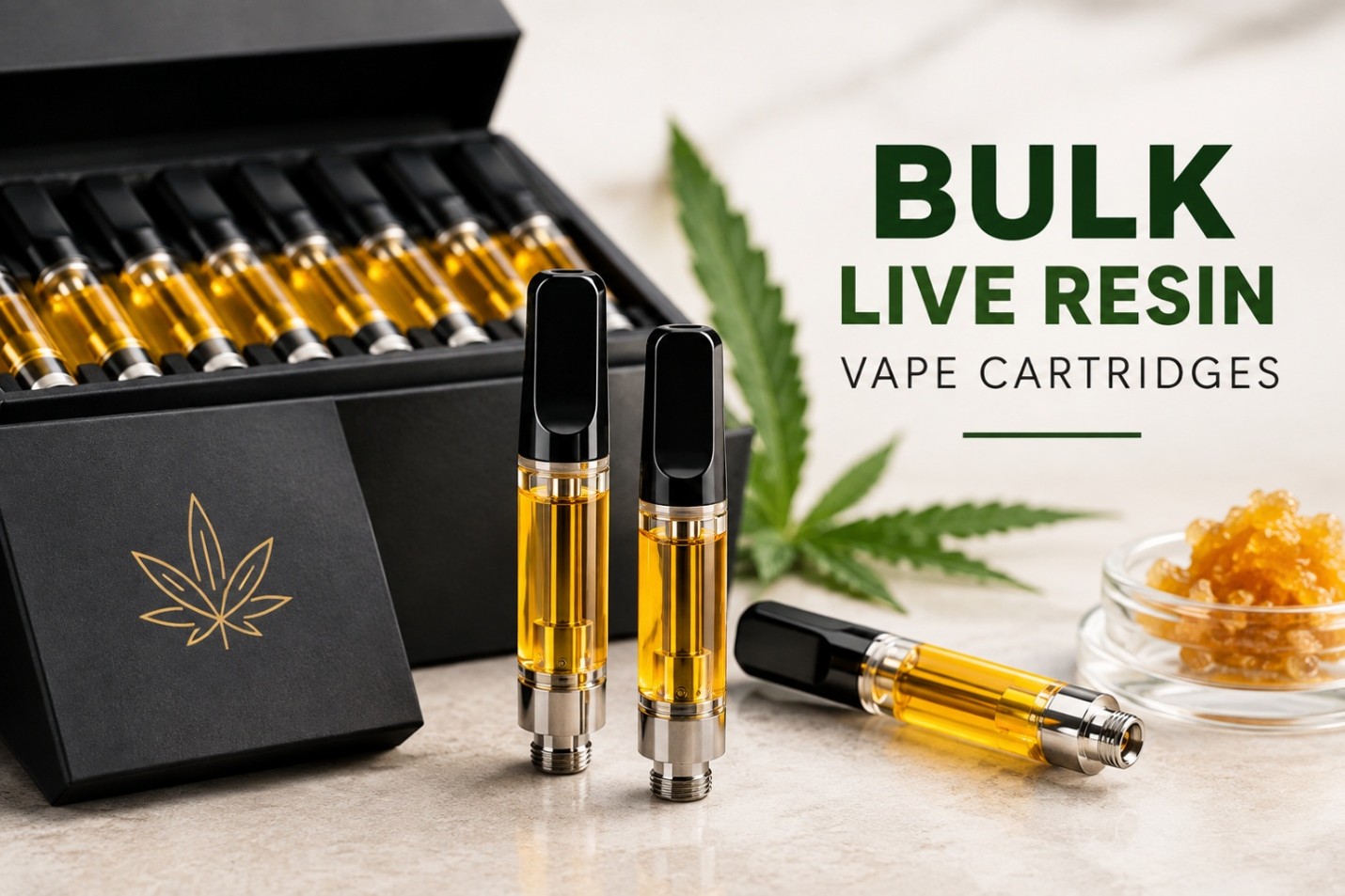
Creating a branded cannabis vape product involves more than choosing a name and designing its packaging. Businesses must consider the extract, terpene profile, manufacturing process, product testing, and labeling requirements before a product is ready for the market. Live resin has distinct characteristics because it is made from fresh-frozen cannabis material, helping preserve the plant’s natural terpene profile. Understanding how custom branded live resin vapes are developed gives licensed businesses a clearer view of the decisions involved. Careful planning helps align product specifications, manufacturing expectations, and compliance responsibilities from the beginning.
Live resin is a cannabis concentrate produced using fresh-frozen cannabis material. Freezing the plant soon after harvest helps preserve its terpene profile, which contributes to its aroma and flavor. The resulting extract can be formulated for use in vape cartridges.
Live resin differs from extracts made using dried and cured plant material because its starting material and processing approach are different. These differences can influence the final aroma, flavor, and chemical composition.
Greenmount LLC describes its live resin production as using hydrocarbon extraction in a regulated manufacturing setting. The process requires suitable equipment, controlled conditions, and careful handling of the materials involved.
Custom branding allows a licensed cannabis business to establish a distinct identity for its products. The process begins by defining what the product should be, who it is intended for within the legal adult market, and how its features will be described.
Businesses exploring custom branded live resin vapes should consider several decisions before production begins:
Clear specifications help reduce misunderstandings and give the production team a defined set of expectations to follow.
Custom branding gives a licensed cannabis business a way to establish its own product identity. However, the process should start with clear product specifications rather than packaging design alone. The intended market, product type, and manufacturing requirements all influence the decisions that follow.
When developing custom branded live resin vapes, businesses should establish a clear brief that covers the following areas:
These details help everyone involved understand the project requirements. They also make it easier to review the finished product against the original specifications.
The formulation affects a vape product’s aroma, flavor, and cannabinoid composition. Live resin starts with fresh-frozen cannabis material, while the extraction and handling processes influence the characteristics of the resulting concentrate.
Greenmount LLC describes its manufacturing capabilities as including live resin extraction, custom terpene blending, and small-batch cartridge production. Businesses can discuss whether a strain-specific profile or a blended profile better fits their product concept.
| Consideration | What it means |
| Strain-specific profile | Focuses on the characteristics associated with a particular cannabis strain |
| Blended terpene profile | Combines terpene profiles to create a selected aroma and flavor direction |
| Cannabinoid potency | Measures the cannabinoid content of the finished product |
| Batch specifications | Defines the characteristics a production batch is expected to meet |
These choices should be guided by accurate product information and appropriate testing. Aroma and flavor alone do not establish a product’s potency or guarantee particular effects. Clear descriptions should reflect the verified composition rather than unsupported claims.
Manufacturing involves several connected stages, beginning with the preparation of plant material and ending with the filling and packaging of the finished cartridge. Each stage requires suitable equipment and careful process control.
Greenmount LLC describes using certified Type 7 volatile extraction systems for hydrocarbon extraction. Its manufacturing process includes fresh-frozen material preparation for live resin, closed-loop extraction, post-processing, and cartridge filling.
The general stages include:
Hydrocarbon extraction involves flammable solvents and must take place in properly designed facilities with suitable ventilation, certified equipment, trained personnel, and established safety procedures. It is not appropriate for untrained individuals to attempt this process at home.
Packaging is important because it protects the product, presents the brand identity, and communicates essential product information. It must also meet the requirements of the market where the product will be sold.
For custom branded live resin vapes, packaging decisions should be considered early in development so that the design and required information can be reviewed before production is finalized.
Important considerations include:
A visually appealing package does not automatically meet regulatory requirements. Businesses should review the final design against current rules before approving it for production.
Testing helps determine whether a finished cannabis product meets applicable standards for potency and potential contaminants. It is an important part of responsible manufacturing, rather than a step that should be considered only after production is complete.
Greenmount LLC states that its manufacturing process includes required testing for potency, residual solvents, heavy metals, and microbial contamination. Its facility information also describes engineered closed-loop extraction systems, appropriate ventilation, and explosion-resistant electrical installations.
Businesses should confirm that the production arrangement covers the required checks, including:
Testing requirements vary according to jurisdiction and product type. Businesses should verify current requirements with qualified compliance professionals and the relevant authorities before products enter distribution.
A product’s quality depends on more than its initial formulation. Manufacturers also need clear specifications and repeatable processes to manage differences between production runs.
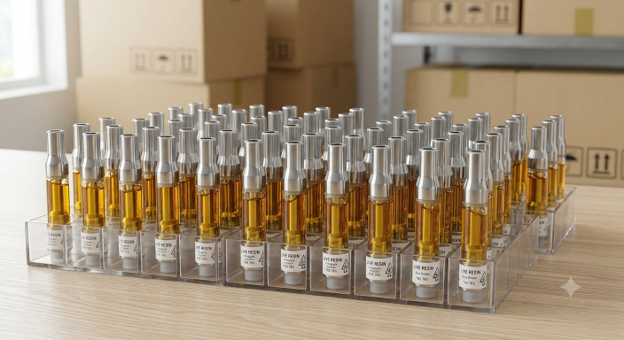
Greenmount LLC emphasizes small-batch manufacturing and hands-on quality control. This approach can support closer attention to strain-specific characteristics and individual production runs, although natural variation in plant material means that every batch may not be chemically identical.
Before production begins, businesses should confirm the following details:
Clear planning helps reduce misunderstandings and makes it easier to identify issues before products are released.
Cannabis manufacturing and distribution operate under specific legal requirements. A business should not assume that compliance in one location automatically permits production or sales in another market.
Greenmount LLC identifies itself as a California-licensed Type 7 manufacturer and describes following applicable safety, testing, and tracking requirements. Its manufacturing information also references batch documentation and regulatory tracking.
Before entering a manufacturing arrangement, licensed businesses should confirm:
Reviewing these responsibilities early can help businesses plan more effectively and avoid relying on assumptions about legal approval.
Developing a branded live resin vape product involves coordinated decisions about formulation, extraction, packaging, testing, and regulatory compliance. Each stage contributes to the product’s identity and helps establish clear expectations for manufacturing quality. Businesses should define their specifications, understand the differences between strain-specific and blended terpene profiles, and verify the requirements that apply to their intended market. Custom branded live resin vapes require careful planning beyond appearance alone. Greenmount LLC describes a manufacturing approach built around small-batch production, controlled extraction, testing, and documented quality procedures.