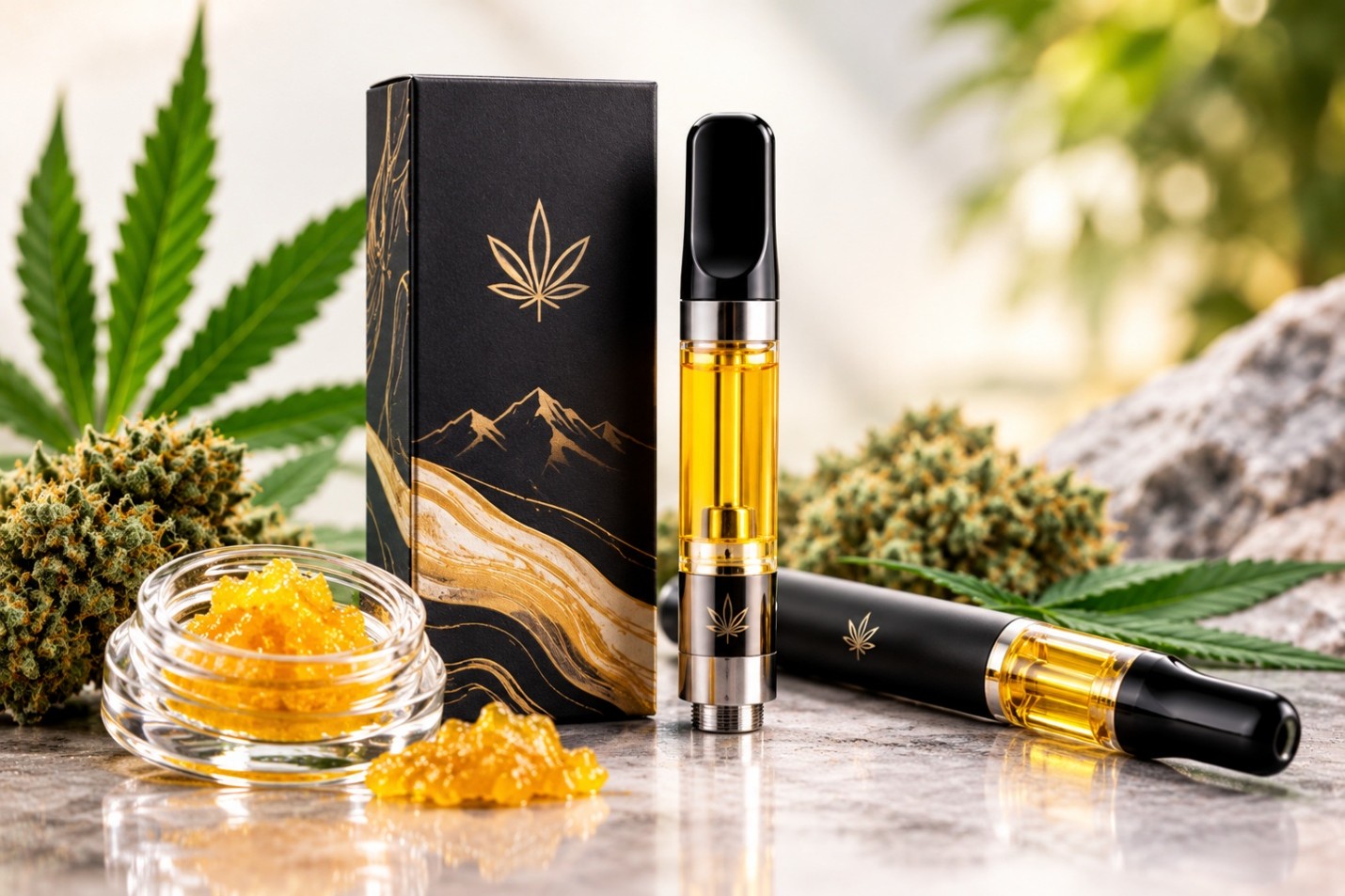
Custom Branded Live Resin Vapes: Key Factors for Product Success
October 12, 2026
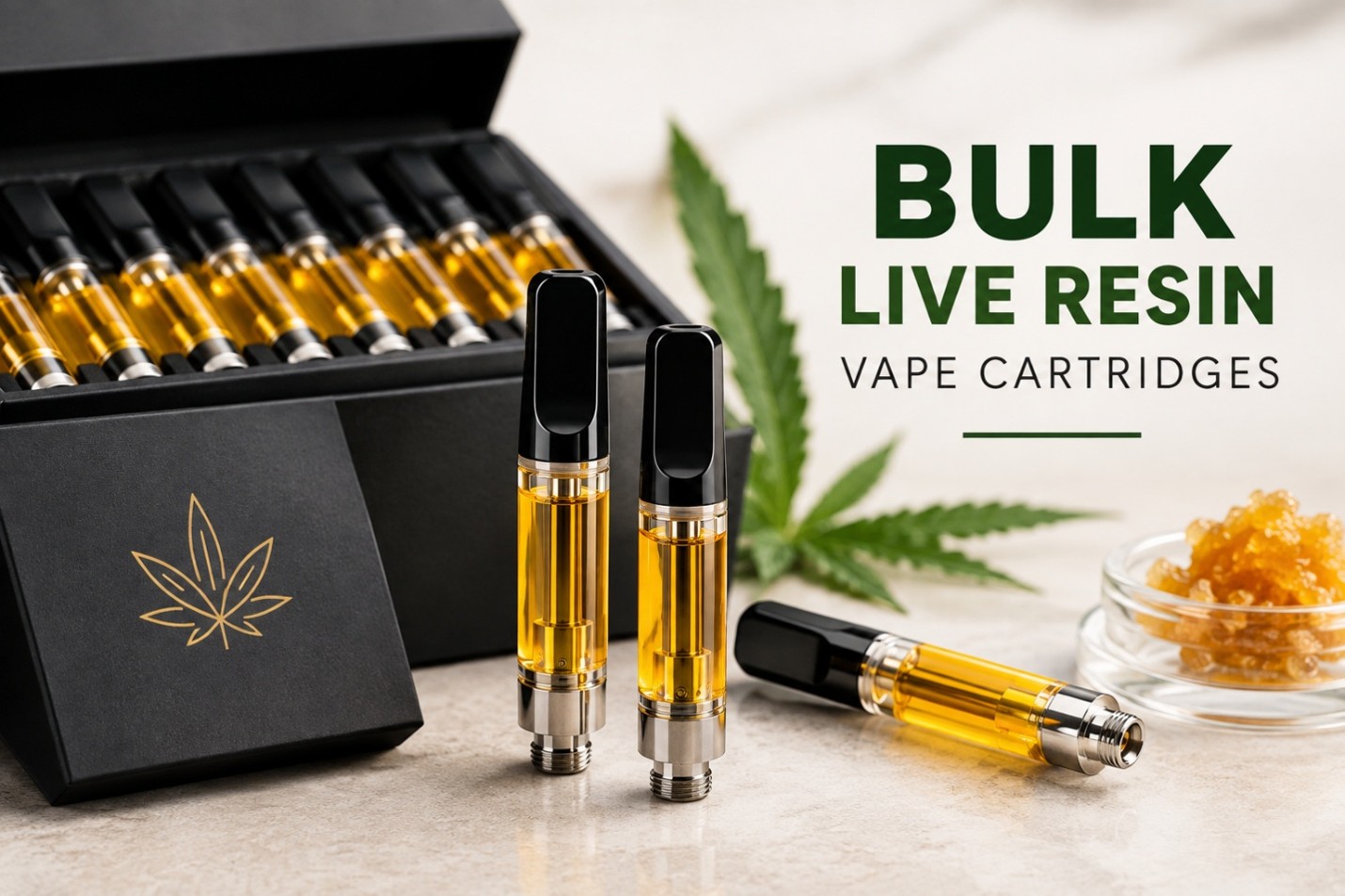
Retail cannabis markets in California keep changing. Customers today notice flavor, strain origin, and the way a product feels during use. Vape cartridges with strong terpene character have become a familiar choice on dispensary shelves. In this setting, many retail brands now look toward custom-branded live resin vapes as a way to show identity and maintain product consistency.
Manufacturers like Greenmount LLC, founded in 2017 by Thair Daoud, Zaid Jadan, and Steven Daoud, work inside a regulated Type 7 cannabis manufacturing environment. Their work focuses on small-batch vape cartridges and concentrates. This approach supports retail partners that want products shaped around their own brand story.
Before looking at the business side, it helps to understand what this product actually means.
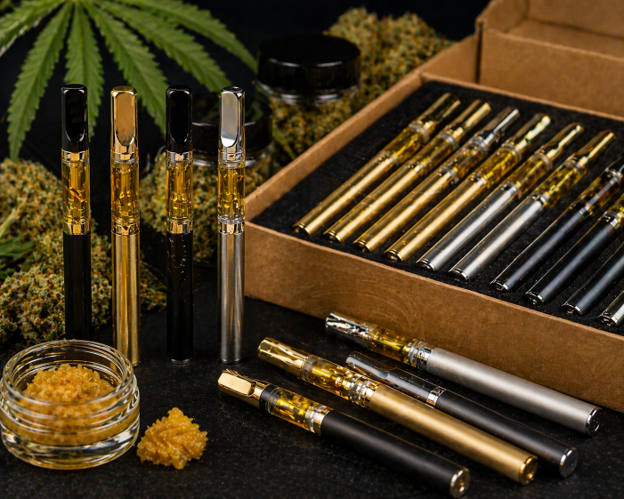
Live resin vapes are cartridges filled with concentrate extracted from fresh-frozen cannabis flower. The flower is frozen soon after harvest. This keeps delicate terpene compounds intact. When the material is extracted through hydrocarbon methods, the oil often carries the original strain aroma and flavor.
When a product becomes custom-branded live resin vapes, it usually means the retail brand takes part in several stages of development.
Typical elements include:
A manufacturer like Greenmount LLC performs the extraction, post-processing, filling, and compliance work. The retail partner focuses on market positioning and customer connection.
Retail cannabis shelves can become crowded. Many products share similar names or similar flavor claims. Custom production gives a retailer space to develop something distinct.
Several practical reasons explain the shift toward custom branded live resin vapes.
Retailers often notice that cannabis consumers remember flavor profiles strongly. When those profiles remain stable, repeat purchases increase.
A major factor behind custom vape programs is the production method itself. Greenmount LLC works through a small-batch manufacturing model under a Type 7 license.
Small-batch extraction usually means fewer pounds of input material per run. The process takes longer, yet it allows technicians to watch the quality of each batch carefully.
Important quality points include:
Because batches remain small, technicians can observe terpene levels, color, and aroma more closely. For retailers, that attention often results in products that keep a recognizable flavor across multiple releases.
Retail brands also depend on the safety structure behind each product. A Type 7 cannabis manufacturing license represents one of the most closely monitored categories in California.
Facilities like Greenmount LLC operate under strict engineering and operational rules.
Some of those requirements include:
Each production batch must also enter the state’s seed-to-sale tracking system and pass laboratory testing. Tests look for potency levels, residual solvents, heavy metals, and microbial contaminants.
For a retail brand building its own product line, working with a compliant Type 7 manufacturer removes a large part of the operational burden.
The manufacturing path from cannabis flower to finished vape cartridge includes several controlled steps. The following table presents a simplified outline of the process used in many small-batch facilities.
| Production Stage | Main Activity | Purpose |
| Input Preparation | Fresh-frozen flower stored at low temperature | Protect terpene content |
| Hydrocarbon Extraction | Butane or propane solvent pulls resin from plant material | Create a terpene-rich concentrate |
| Post-Processing | Purging and filtering remove solvent traces | Stabilize oil quality |
| Terpene Adjustment | Natural terpene profile may be balanced for cartridge use | Maintain flavor consistency |
| Cartridge Filling | Precision equipment fills vape cartridges | Accurate dosage and viscosity |
| Packaging & Labeling | Products packaged under state compliance rules | Retail sale readiness |
These steps illustrate how a raw plant becomes a shelf-ready vape product that meets regulatory standards.
Custom programs work best when manufacturers and retailers communicate closely. Small-batch facilities allow more flexibility than very large production lines.
Retail brands often work with a manufacturer to explore ideas such as:
Greenmount LLC already supplies products to hundreds of retail locations across California. Because of that experience, the company understands how different stores attract different consumer groups.
The ability to adjust formulations or packaging in smaller runs can help retailers test ideas without committing to huge production volumes.
Cannabis consumers often return to products they recognize. Flavor, aroma, and smooth vapor all influence that choice. Custom manufacturing helps a retailer keep those details steady.
When custom branded live resin vapes remain consistent from batch to batch, a few effects appear over time.
Consistency also reduces confusion. When a consumer buys the same cartridge again, they expect a similar taste and strength. If that expectation is met repeatedly, the product becomes part of the customer’s routine.
Another interesting element behind live resin products is the culture around cannabis craftsmanship. Small-batch concentrates often attract consumers who enjoy learning about the origin of each strain.
Retail brands sometimes build seasonal collections using custom branded live resin vapes.
These collections may involve:
Limited releases create a quiet sense of anticipation in the market. Consumers often watch for the next drop, especially when the previous batch carried a strong flavor.
The cannabis market continues to grow, yet customers still look for products that feel authentic and consistent. Vape cartridges built from fresh-frozen flower have become a strong category in dispensaries. For many retailers, the idea of custom branded live resin vapes offers a way to shape that category around their own identity.
Working with a licensed manufacturer such as Greenmount LLC gives retailers access to regulated extraction, small-batch production, and careful formulation work. Over time, those elements can support recognizable products on dispensary shelves. In a market where flavor and trust matter, thoughtful collaboration between retailer and manufacturer quietly shapes the customer experience.